The basic formula
For decimal odds, divide 100 by the price. At 4.00, the calculation is 100 ÷ 4 = 25%. At 1.60, it is 100 ÷ 1.60 = 62.5%. This is commonly called raw implied probability because it is derived directly from the quoted price.
The calculation is easy to reverse: decimal odds = 100 ÷ probability percentage. A 20% raw implied probability corresponds to decimal odds of 5.00 before margin or other adjustments.
Why “implied” does not mean “true”
A price is set in a commercial market and includes a margin. It can move in response to money, information, risk management and market conditions. It is not an objective measurement of an outcome’s true chance. A person could create an independent probability estimate, but the conversion itself does not provide one.
For example, a home-win price may imply 45% while the draw and away prices each imply additional percentages. If the three raw figures add to 106%, the overround is 6 percentage points. Normalizing them to 100% is a comparison convention; it does not prove that the resulting shares are accurate forecasts.
Use all outcomes in the same market
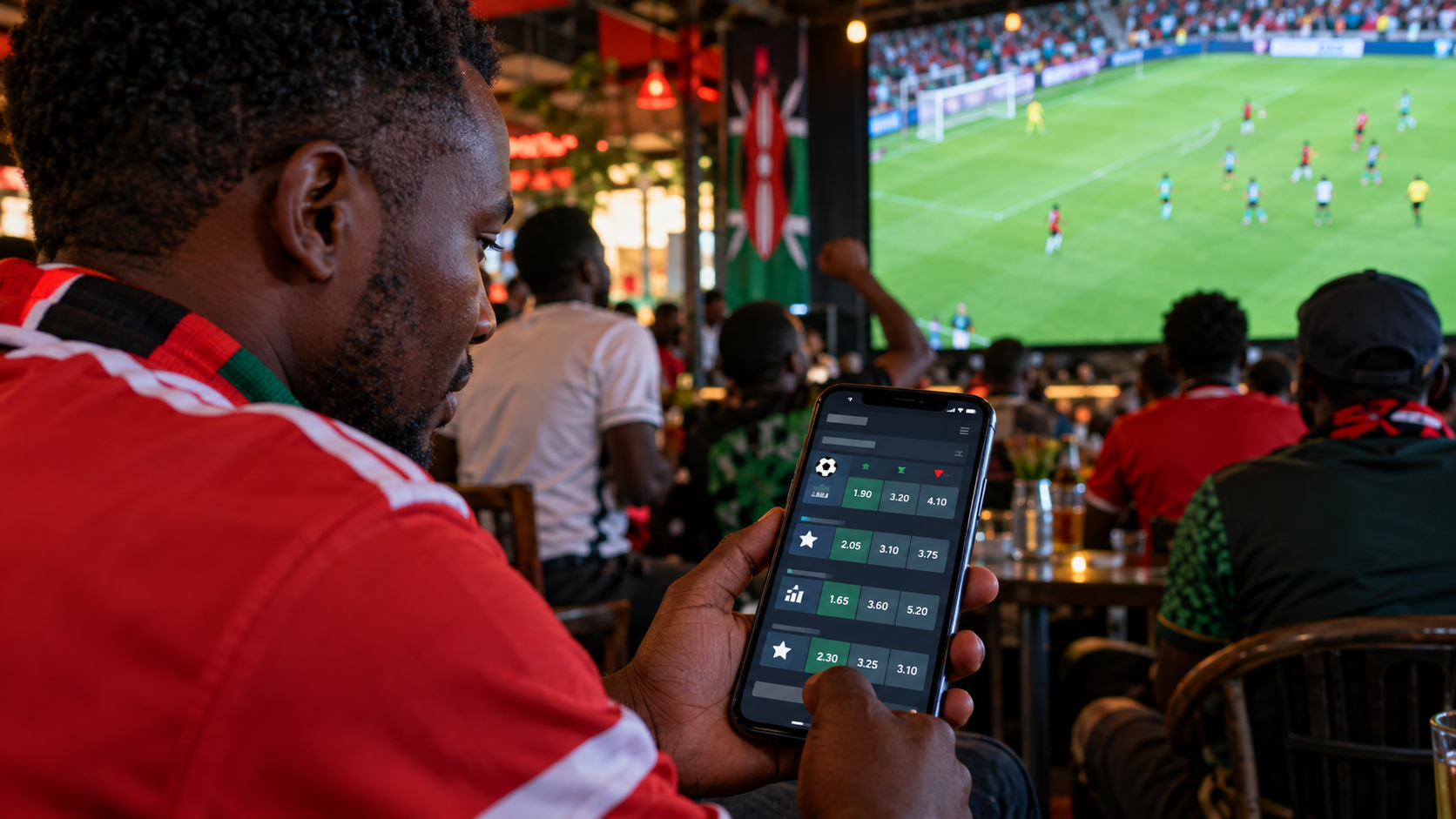
A 1X2 football market has three mutually exclusive outcomes: home win, draw and away win. Calculate the raw percentage for each outcome using prices from the same bookmaker and time. Then add the figures. Do not mix a home-win quote from one market with a draw-no-bet quote from another, because the outcomes do not share the same structure.
The Bookmaker Margin calculator can calculate the sum and a normalized split for two- or three-outcome markets. The result is descriptive only and does not identify a profitable bet.
When the calculation helps—and when it does not
Use probability figures as a language aid, not as a reason to increase a stake. A displayed 70% is not a promise that the outcome will occur seven times in every ten future attempts.
- It helps translate unfamiliar odds into a percentage-like scale.
- It helps illustrate how a multi-outcome market can sum above 100%.
- It does not predict a match, measure team quality, or make a stake suitable.
- It does not remove uncertainty, margin or the bookmaker’s settlement rules.